Forecast of 5 EdTech trends in 2026 that will shape the future of English language centers
In recent years, educational technology (EdTech) has become a strong driving force to help English centers not only maintain competitiveness, but also open up more flexible, effective and engaging teaching models for students. If in the period 2020 – 2023, EdTech mainly focused on online classes and student management applications, then by 2026, new trends will completely reshape the way English centers operate, recruit, train and care for students.
Analysts from HolonIQ predict that the global EdTech market will reach $404 billion by 2026. In Vietnam, according to a report from the Ministry of Education and Training, there are more than 1,000 businesses participating in this field, most of which focus on foreign language training. This shows that the EdTech trends of 2026 are not just theoretical but will directly impact the development strategy of English centers.
Current state of the EdTech market
In Vietnam, the EdTech market experienced a boom during the Covid-19 pandemic when online classes became the only option. After that period, the need for face-to-face learning returned, but technology did not disappear, instead, it was integrated more deeply into training and management activities.
Foreign language centers today not only use EdTech for online teaching but also for operational management , tracking learning data , and optimizing student experience . Many All-in-One solutions have been created to help centers reduce manual workload while improving teaching efficiency.
A typical example is Selfomy One , a comprehensive management platform dedicated to foreign language centers. Not only stopping at managing classes, finances or human resources, Selfomy One also integrates
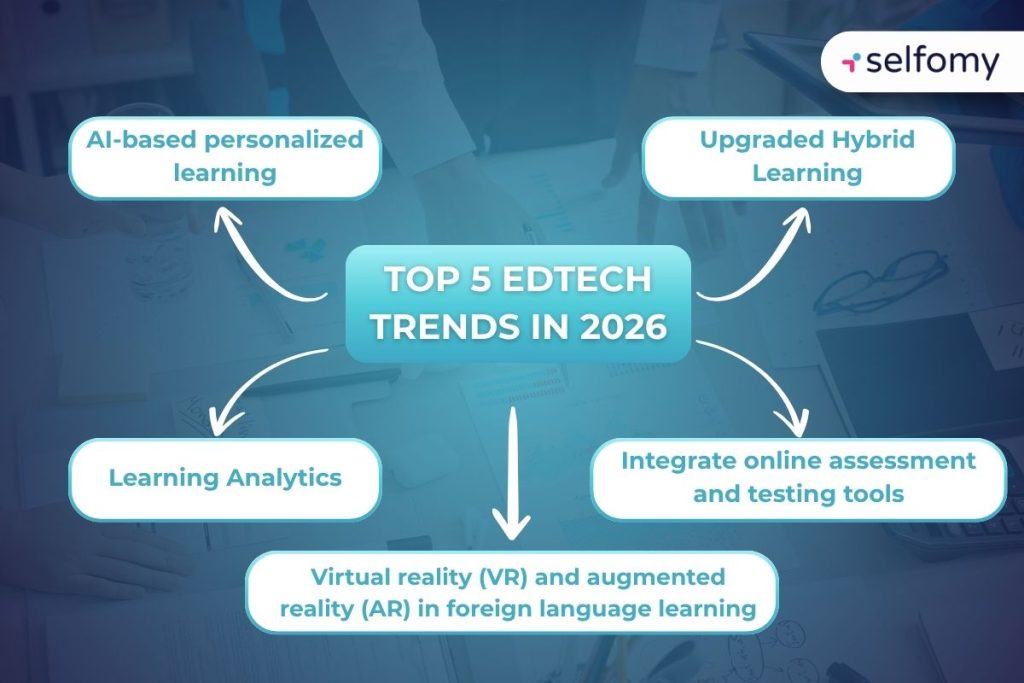
1. AI-based personalized learning
While students in a classroom used to receive the same curriculum and the same teaching method, in 2026, artificial intelligence (AI) will take personalization to the next level. AI-enabled learning management systems (LMS) can track student progress, analyze strengths and weaknesses, and suggest individual learning paths. For example, a student with good listening skills but weak writing skills will receive additional writing assignments, while AI will suggest appropriate videos, readings, and exams.
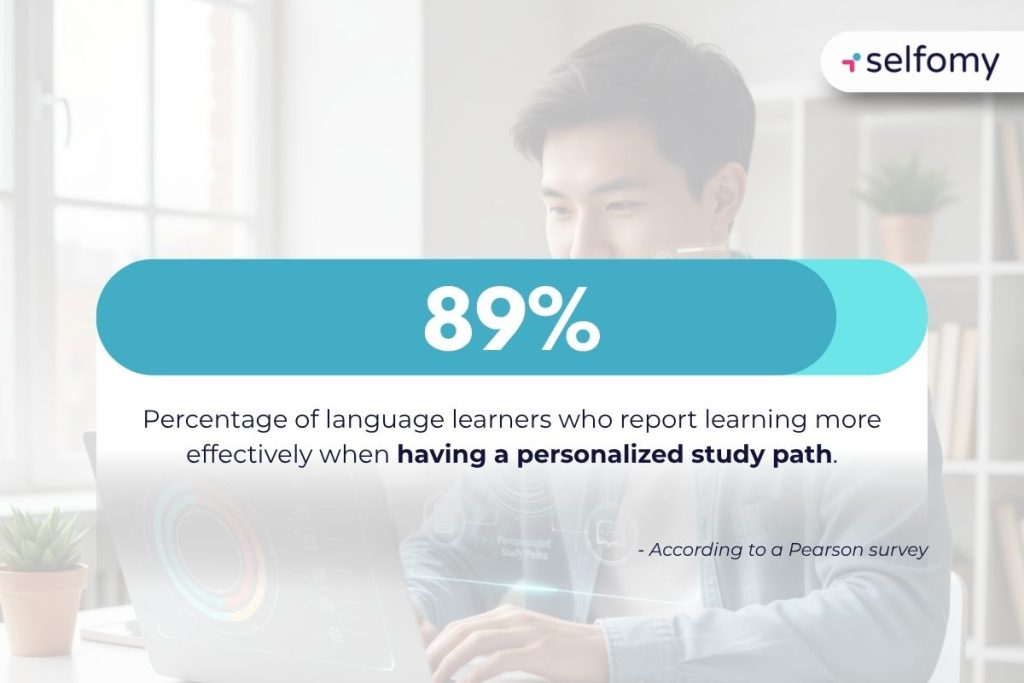
According to a 2024 Pearson survey, 89% of foreign language learners said they learn more effectively when they have a personalized roadmap. This sets a requirement for English centers; if they do not apply AI to program design, it will be difficult to retain students. In Vietnam, some platforms such as Elsa Speak have demonstrated the power of AI in personalized pronunciation training.
Additionally, management ecosystems like Selfomy One are going further by integrating AI into LMS , allowing students to be graded, receive 24/7 feedback, and personalize assignments. This is an important step for centers to not only train effectively but also increase student engagement.
2. Upgraded Hybrid Learning
During the pandemic, online classes exploded, but many students returned to traditional classes. However, by 2026, the hybrid classroom model will become the norm rather than a temporary solution. The difference is that new-generation EdTech technology allows for a smooth transition between the two forms, and students can even participate in the same class through multiple channels.
For example, an IELTS class might have 10 students studying face-to-face, and 5 students participating online via a virtual reality (VR) platform. Both groups interact with the teacher and learning materials in virtually the same way.
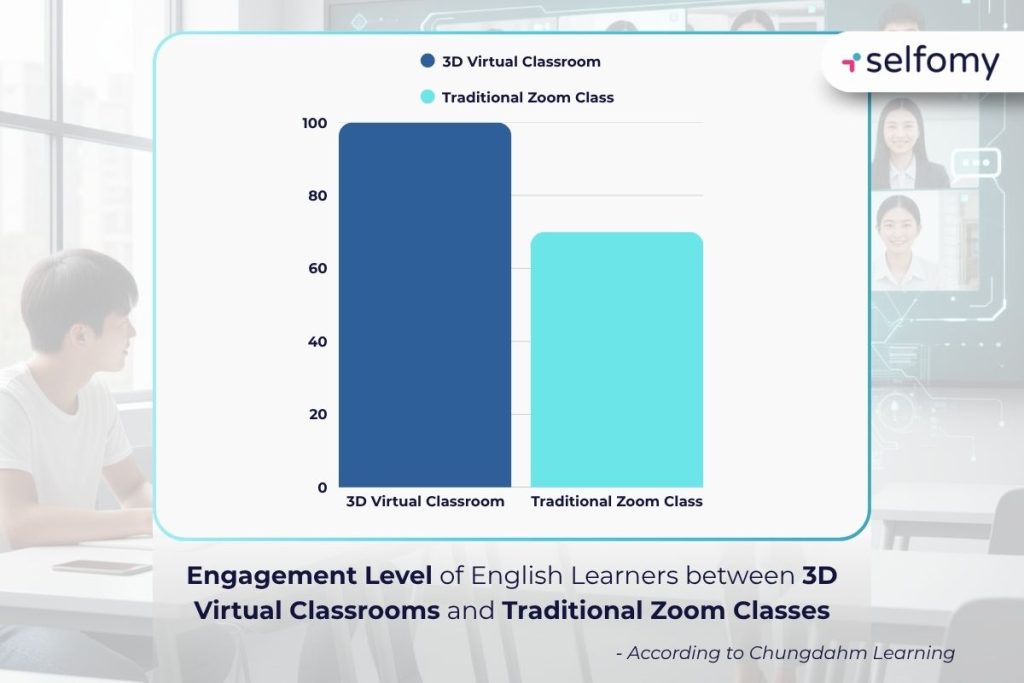
In Korea, Chungdahm Learning has tested 3D virtual classrooms for English learners, and the results show that engagement is 30% higher than traditional Zoom classrooms. In Vietnam, if English centers quickly update this educational technology trend, they will easily reach students in the provinces without having to open more physical branches.
3. Learning Analytics
In the future of education, data will become the “fuel” to improve the quality of training. English centers will not only manage scores and attendance rates, but also analyze thousands of small data: the time students spend on exercises, the speed of answering, the level of participation in discussions, and even emotions through voice recognition or facial expressions.
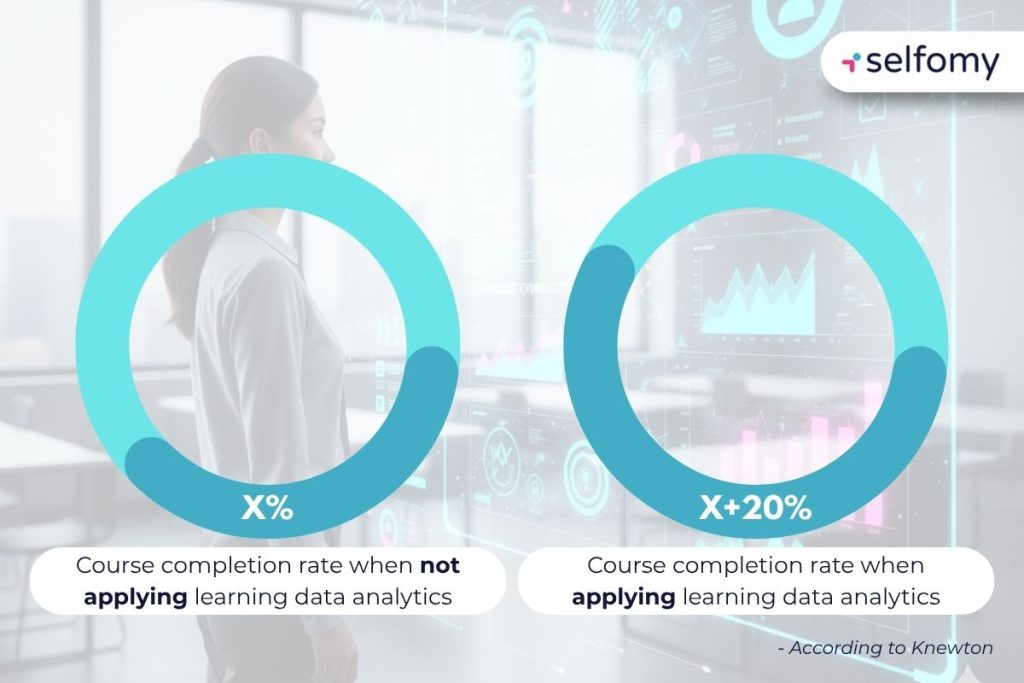
In the US, the Knewton platform has applied learning data analytics to customize the curriculum for each student, helping to increase the course completion rate by 20%. If applied in Vietnam, a center can identify early which students are at risk of dropping out (based on login data, frequency of submission) to provide timely support.
This is both an educational tool and a business solution that helps reduce revenue loss. This is also the strength of All-in-One management solutions like Selfomy One. Through an intuitive dashboard, the center can track all learning and financial data, thereby improving the quality of teaching while reducing revenue loss.
This EdTech 2026 trend also opens up new opportunities for educational marketing. Instead of general advertising, centers can analyze data to personalize messages to analyze potential students interested in IELTS will receive emails about band-enhancing courses, while English communication learners will receive appropriate incentives.
4. Virtual reality (VR) and augmented reality (AR) in foreign language learning
If learning a foreign language used to revolve around books and videos, by 2026, students will be able to enter a “virtual world” to practice in a real-life context. Imagine wearing VR glasses and attending a job interview at an American company, or going to a supermarket in London to practice conversational English. This technology helps students practice language reflexes in a simulated environment that is much more realistic than a traditional classroom.
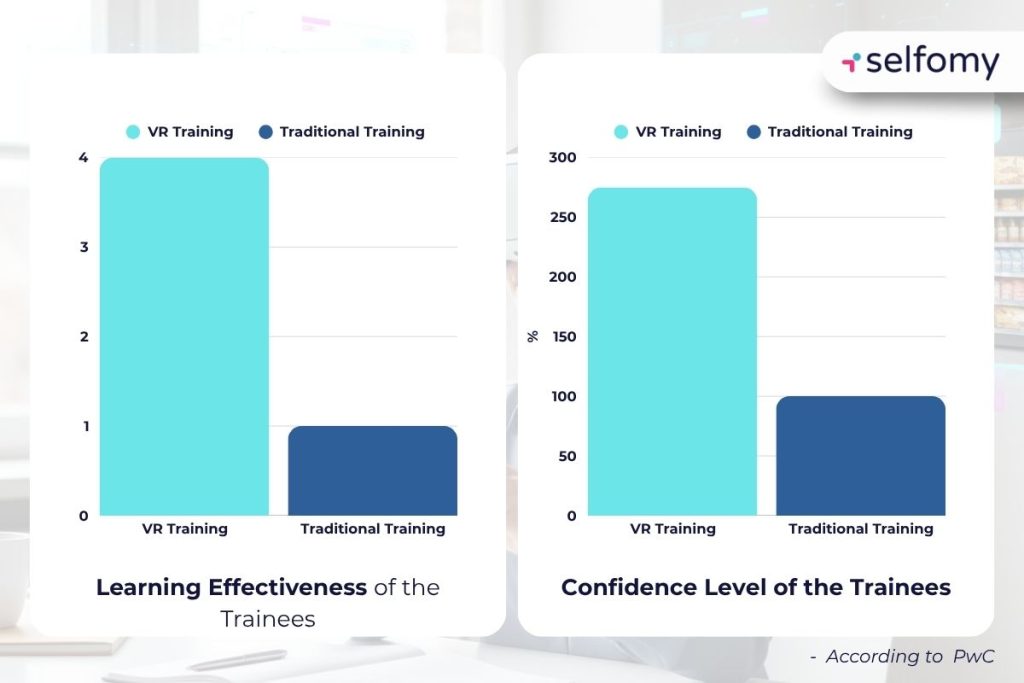
According to a PwC report, employees trained with VR learn four times faster and are 275% more confident than those trained with traditional training. For English centers, VR and AR can be a “differentiator” that helps them stand out in a fiercely competitive market. Some startups in China have tested AR flashcards for children, where animals in the book pop out in 3D and speak English. These experiences not only engage young learners but also make parents feel the investment is worth it.
5. Integrate online assessment and testing tools
The final EdTech 2026 trend is the integrated online standardized assessment system. While previously students had to go to the center to take the entrance test, IELTS or TOEIC mock test, now the entire process can take place on a digital platform with high security. AI proctoring technology can detect cheating through cameras and microphones, helping to ensure fairness.
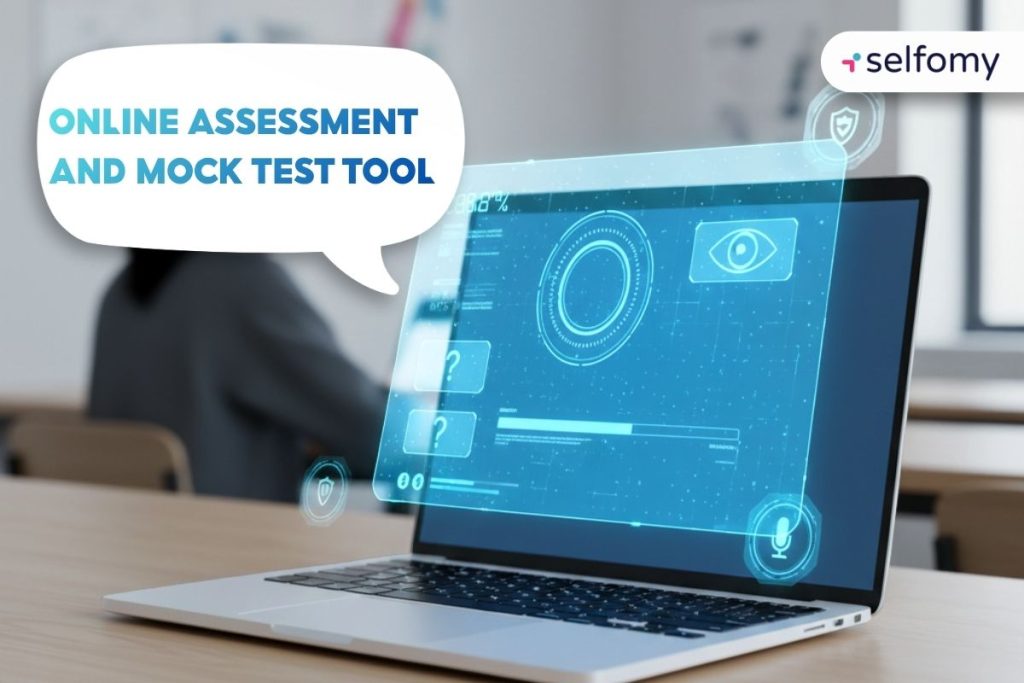
Cambridge English has been developing a secure online testing system since 2022, and it is expected that by 2026, this form will become popular. In Vietnam, many English centers are testing an
6. The future of education and the role of English centers
All the above educational technology trends show that by 2026, English centers will no longer be simply places to provide courses, but will become a personalized learning ecosystem, rich in data and experiences. In the future of education , students will no longer be limited to physical classrooms, but can access knowledge anywhere, anytime.
However, technology does not replace the role of teachers. On the contrary, it will free teachers from repetitive tasks, allowing them to focus more on inspiring, supporting and developing critical thinking skills for students. Centers that know how to combine technology and the human element will be the winners in this fiercely competitive game.

7. Conclusion
It can be said that the EdTech 2026 trend is not only a prediction but has begun to take shape clearly in reality. From personalized learning with AI, new generation hybrid classrooms, data analysis, to VR/AR experiences and online mock tests, all will create a completely different look for English centers.
For managers, staying ahead of trends is the key to survival and growth. And to do this, choosing an integrated management platform like Selfomy One will be a smart move, helping the center keep up with technology, optimize costs and increase revenue.
Over the next decade, education technology will continue to change rapidly. But one thing is for sure, the center that knows how to skillfully combine EdTech technology and human factors will not only meet current needs but also shape the future of education for a new generation.
English centers want to grasp the EdTech 2026 trend to optimize costs, improve student experience and grow sustainably? Experience the comprehensive management solution from Selfomy, a smart LMS platform that helps automate, personalize and scale training. Learn more at https://one.selfomy.com/ to get ahead of future education trends!
Reference data source:
- HolonIQ – Global EdTech Market to Reach $404B by 2025
https://www.holoniq.com/notes/global-education-technology-market-to-reach-404b-by-2025 - PwC – The Effectiveness of Virtual Reality Soft Skills Training
https://www.pwc.com/us/en/tech-effect/emerging-tech/virtual-reality-study.html - Cambridge English – Linguaskill: Remote Proctoring & Online Testing Security
https://www.cambridgeenglish.org/exams-and-tests/linguaskill/linguaskill-what-is-changing/ - Information about EdTech in Vietnam:
https://www.viettonkinconsulting.com/vn/insight/vietnam-edtech-market/

